

July 25, 2024: Hello! Are you thinking about doing a PhD, but can’t make up your mind? If you have finished a master’s degree in Biology or related fields, speak French and want to continue your academic career with an exciting PhD, you have the opportunity to do it at the Conservatory and Botanical Garden of Geneva (Switzerland).
Regardless your scientific background, we invite you to join our project on the systematics of a group of particularly interesting Myxomycetes (Amoebozoa), the family Cribrariaceae.
As part of our research team, you will use NGS techniques and bioinformatic analyses to explore the generic and species boundaries, as well as the evolution of phenotypic traits of these amazing Myxomycetes, while enjoying a great place to work and fulfil your potential as a researcher.
We welcome all applicants and strive for diversity so, regardless your origin, gender and culture, if this project is a fit for you, please, reach out your future supervisor to discuss doubts and ideas (read this announcement for all details).
Don’t hesitate, apply for this position and become an expert in Cribrariaceae!!!
More News

Registration open for PROTIST 2016
January 29, 2016: It is now time to register for the international conference “PROTIST 2016” that will be held in [...]
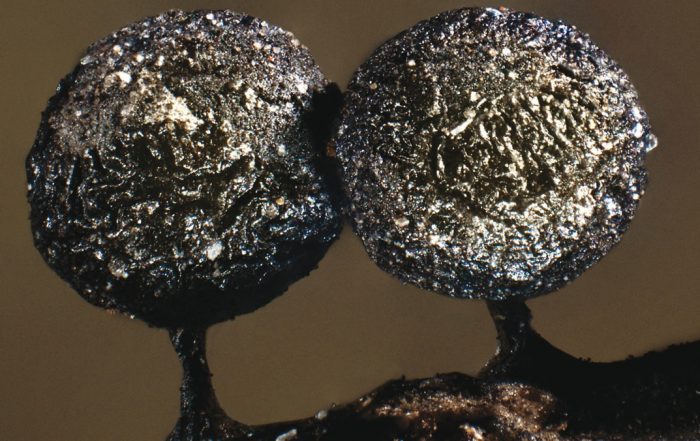
«Nivicolous Stemonitales from the Austral Andes: analysis of morphological variability, distribution and phenology as a first step toward testing the large-scale coherence of species and biogeographical properties».
April 1, 2015: Ronikier and Lado's new article on nivicolous Stemonitales has just come out in Mycologia. This fine-scale analysis [...]
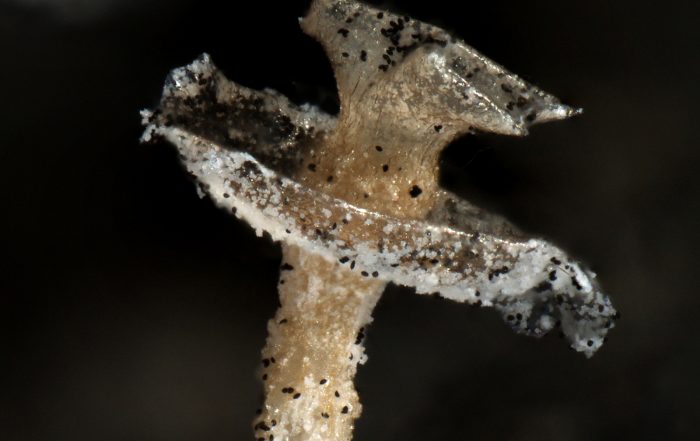
«Didymium xerophilum, a new myxomycete from the tropical Andes» has been published in Mycologia.
February 12, 2015: This article reports the discovery of a new species of the order Physarales from Peru and [...]

Interesting announcement! VII European Congresses of Protistology: A joint meeting with the International Society of Protistologists.
January 24, 2015: This first joint congress of Federation of European Protistological Societies (FEPS) and the International Society of Protistologists [...]