

January 19, 2022: To get off with a good start for the New Year, several members of the Myxotropic project have been taking samples, for the last two weeks, in one of the most spectacular landscapes of Chile, the Andean salt flats, also known as “Salares”.
Specifically, Dr. Leonardo D. Fernández (CIRENYS/Bernardo O'Higgins University, UBO, Chile), Dr. Ítalo Treviño (IMOD, Peru), and Fernando Useros, a PhD student based at the RJB-CSIC, currently doing an internship at UBO, have been sampling myxomycetes and tecate amoebae in several Salares located in the north of Chile.
Our mates have collected hundreds of water and soil samples, and analyzed the environmental conditions that characterize such special habitats. They have also sampled and photographed myxomycete collections fructified in the field. This material, which will be processed in the coming months at RJB-CSIC, is a unique resource, incredibly important in our attempt to discover amoeboid protists developing in these extreme environments.
It has been so fruitful that we cannot wait to arrange the next sampling trip.


More News

Registration open for PROTIST 2016
January 29, 2016: It is now time to register for the international conference “PROTIST 2016” that will be held in [...]
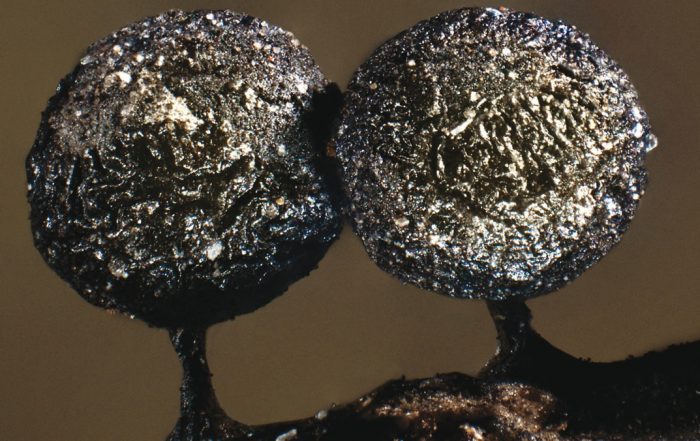
«Nivicolous Stemonitales from the Austral Andes: analysis of morphological variability, distribution and phenology as a first step toward testing the large-scale coherence of species and biogeographical properties».
April 1, 2015: Ronikier and Lado's new article on nivicolous Stemonitales has just come out in Mycologia. This fine-scale analysis [...]
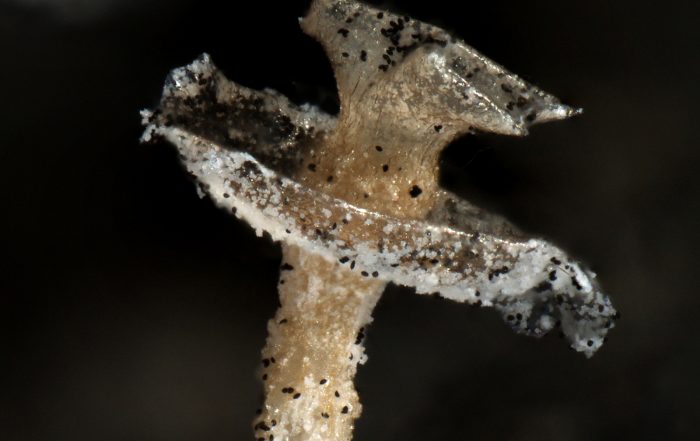
«Didymium xerophilum, a new myxomycete from the tropical Andes» has been published in Mycologia.
February 12, 2015: This article reports the discovery of a new species of the order Physarales from Peru and [...]

Interesting announcement! VII European Congresses of Protistology: A joint meeting with the International Society of Protistologists.
January 24, 2015: This first joint congress of Federation of European Protistological Societies (FEPS) and the International Society of Protistologists [...]