

February 28, 2025: Caves are extreme ecosystems where the scarcity of light and nutrients limits life. However, bat guano enables the development of unique animal communities that take advantage of this resource to thrive.
By analyzing sediments from karst caves in Croatia, a global biodiversity hotspot, we found that sites visited by bats, and therefore enriched with their guano, harbor more diverse and abundant communities of Arcellinida. These communities include species and genetic variants that could be endemic to the region, mirroring patterns found in animals.
These findings are available in a new study published in the journal Microbial Ecology.
More News
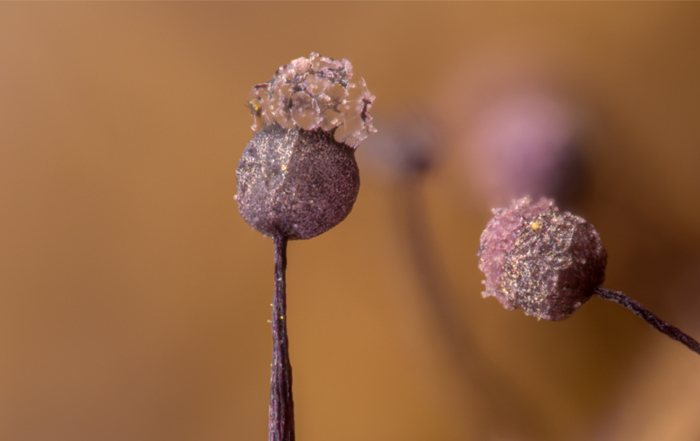
Goodbye to another misclassification! Reordering the order Cribrariales
November 18, 2025: We have published a new article in IMA Fungus about one of the least known groups [...]
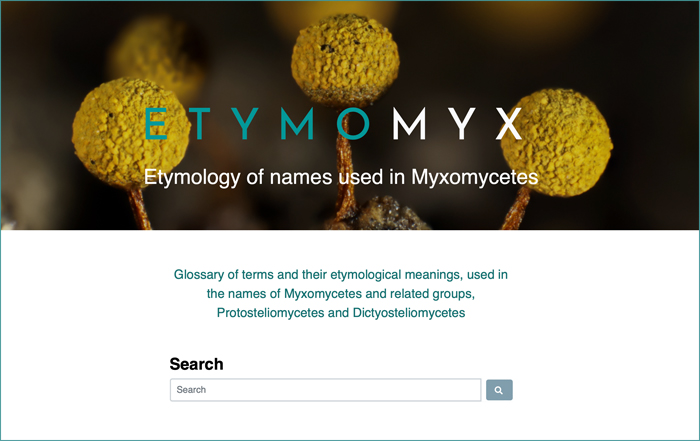
New digital resource: launch of the Myxomycete etymology website
May 19, 2025: The new Myxomycete etymology website is now available: etymomyx.csic.es, a resource designed to explore the origin [...]

Ending the year on a high note in the Kosñipata Valley in Peru
March 3, 2025: To wrap up 2024 on a positive note, the Dr. Enrique Lara (RJB-CSIC), the Dr. Belén [...]

The Hidden Biodiversity in Croatia’s Karst Caves
February 28, 2025: Caves are extreme ecosystems where the scarcity of light and nutrients limits life. However, bat guano [...]